
THE EMS SYSTEM
WHAT IS EMS?
Emergency Medical Services (EMS) is a coordinated system that delivers emergency medical care and transportation to individuals who are sick or injured. It brings together elements of healthcare, public health, emergency management, and public safety to provide timely and effective response within the community.
EMS is symbolized by the Star of Life, a nationally recognized emblem in which each of the six points represents a key component of the EMS system and the continuum of patient care.
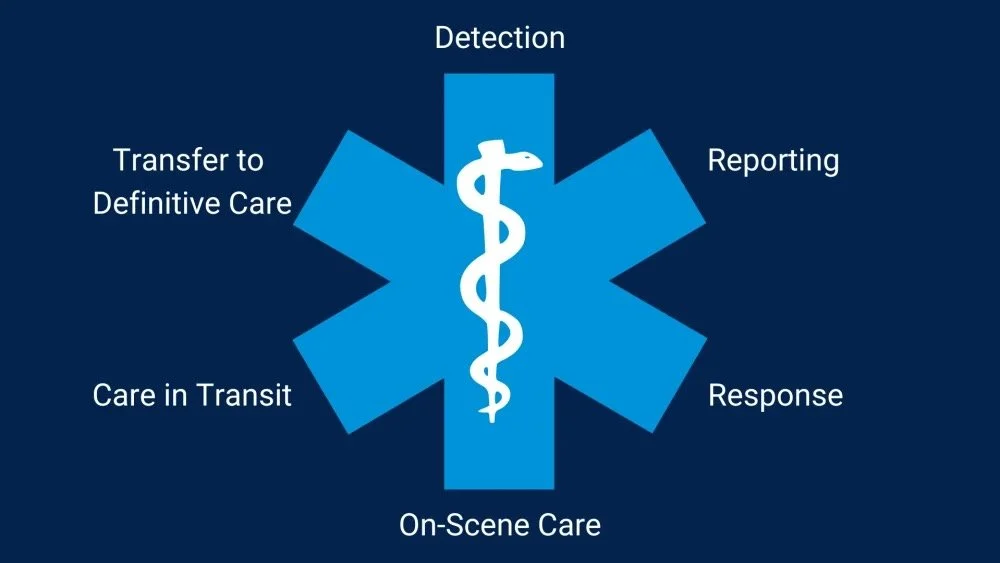
Detection – Recognizing that a medical emergency exists
Reporting – Notifying the appropriate emergency services (such as 911)
Response – Dispatching and arrival of EMS personnel
On-scene care – Immediate assessment, treatment, and stabilization of the patient
Care in Transit – Ongoing treatment while transporting the patient to a medical facility
Transfer to Definitive Care – Handoff to hospital staff for continued treatment
Together these components form a seamless system designed to provide rapid, coordinated, and high-quality care when it is needed most.
Our EMS SERVICE Area
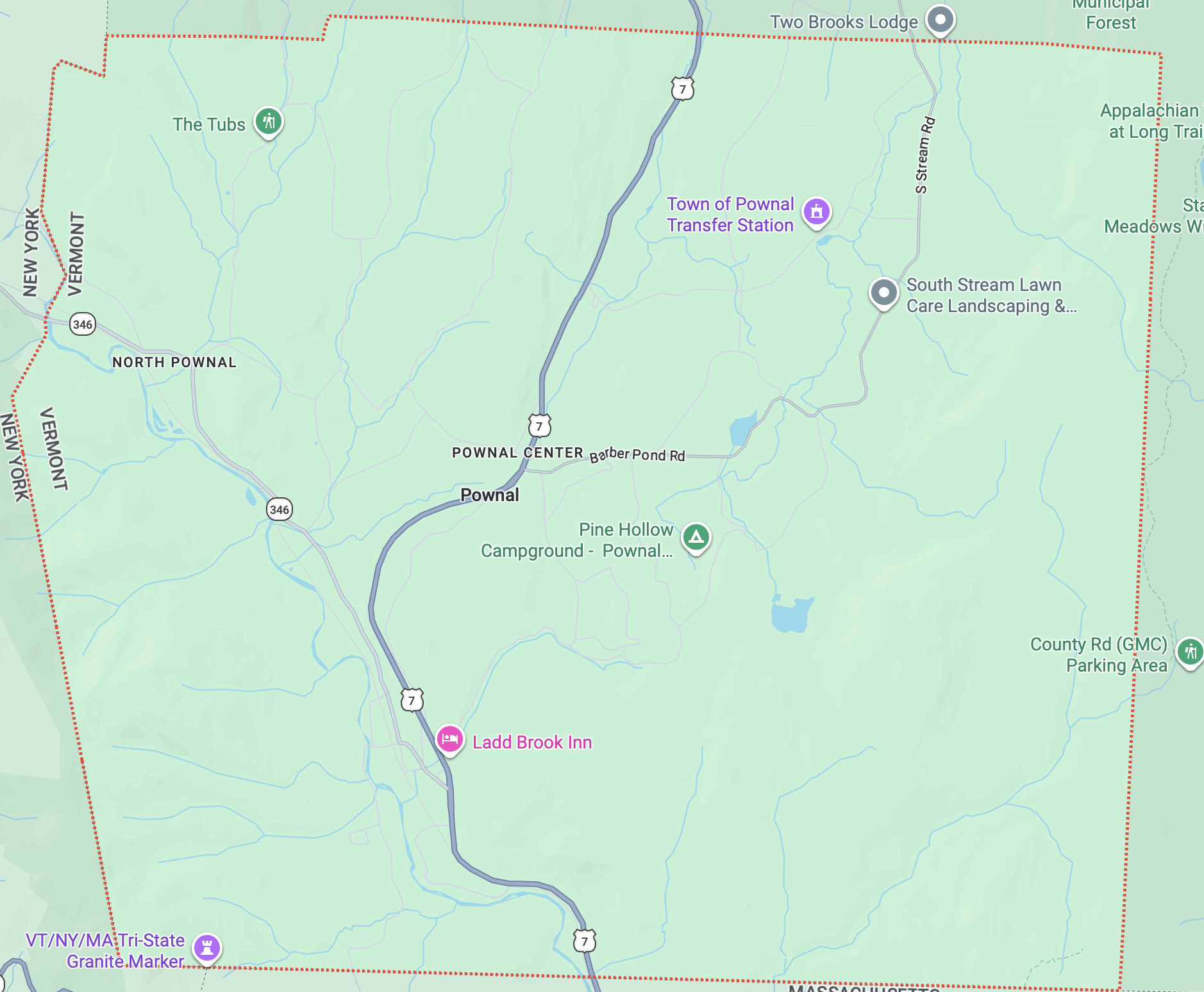
Coverage Area - Pownal Rescue provides 24/7/365 coverage to the town of Pownal
Level of Service - Pownal Rescue is licensed as an Advanced Life support (ALS) agency with a Critical Care Paramedic Endorsement. Only fourteen agencies in the whole state of Vermont Currently carry this level of certification.
Regional Oversight - In Vermont, all EMS agencies function within designated EMS districts. Pownal Rescue operates within EMS District 12, which includes agencies throughout Bennington and Windham County. Care provided by these district agencies is supervised by a designated physician, known as the District medical Advisor(DMA). Our DMA is Dr. Sean Burns who is a physician from Southwestern Vermont medical Center.
Our Neighbors - We operate in a system of mutual aid partners designed to assist our neighbors when i need. Pownal Rescue responds with a mutual aid ambulance when requested and available to our neighbors in Vermont, Massachusetts and communities in New York such as Hoosick, Hoosick Falls, Petersburg, and Berlin.
EMS LEVELS OF CARE IN VERMONT
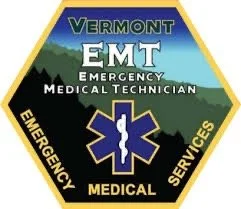
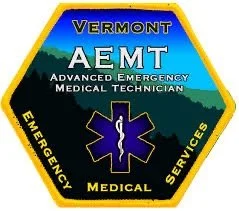
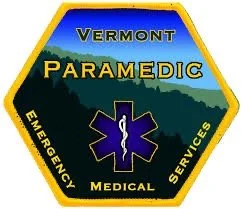
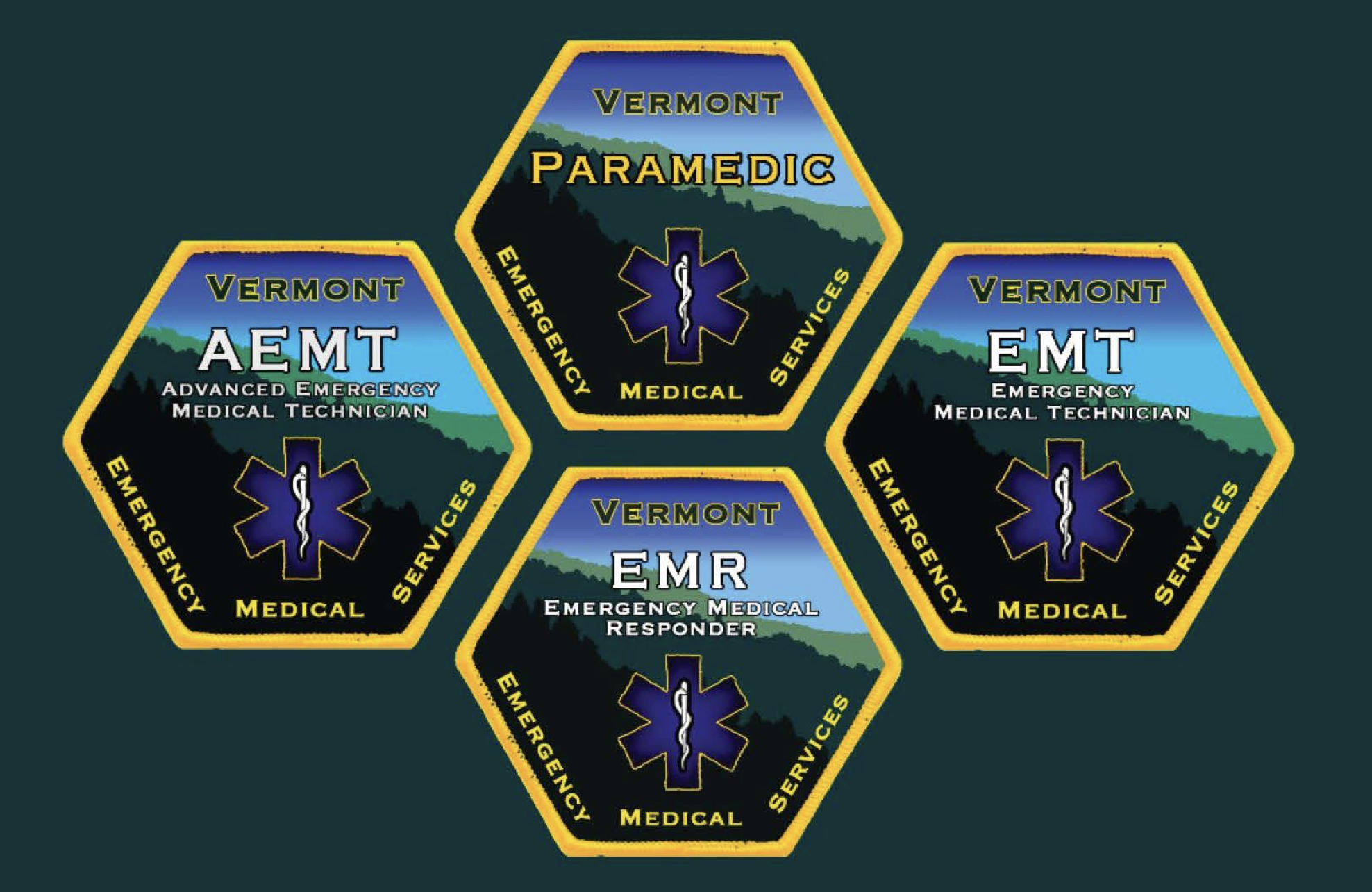
Vermont Emergency First Responders (VEFRs) serve as essential first responders with a focused scope of practice. Their capabilities include performing CPR, using an AED, controlling bleeding, assisting with epinephrine auto-injectors for anaphylaxis, supporting patients with prescribed rescue inhalers during asthma or COPD episodes, and administering naloxone when needed. The specific responsibilities of VEFR personnel may vary by agency and can encompass community first response, coverage at public events, educational demonstrations, or serving as a transport driver for a licensed ambulance crew (EMT, AEMT, or Paramedic).
Emergency Medical Responders (EMRs) deliver immediate, lifesaving care to patients who access the emergency medical services system. They are trained to provide critical interventions while awaiting the arrival of additional EMS resources. EMRs are equipped with tools such as oxygen delivery systems, airway management devices, and the ability to assess vital signs. They also support higher-level EMS personnel at emergency scenes and during patient transport. On an ambulance crew, EMRs often serve as drivers for licensed primary care providers (EMT, AEMT, or Paramedic) or provide additional hands-on assistance in patient care.
Emergency Medical Technicians (EMTs) deliver essential medical care to patients both at the scene and during transport to medical facilities. They frequently provide this critical care from within an ambulance, utilizing the onboard equipment and resources. EMTs are trained to administer treatments such as nebulized medications for asthma, epinephrine for anaphylaxis, CPAP for respiratory distress, and aspirin for suspected cardiac events. They can serve as the primary care provider for patients during transport and often collaborate with AEMTs or Paramedics to ensure each patient receives care appropriate to their condition.
Advanced Emergency Medical Technicians (AEMTs) provide both basic and select advanced emergency medical care, along with patient transport for critical and emergent cases. Operating under medical oversight, AEMTs are an integral part of the broader EMS response system. They perform interventions using the standard and advanced equipment available on an ambulance, including establishing intravenous (IV) or intraosseous (IO) access for fluid and medication administration, quantitive waveform capnography for respiratory diagnostics and utilizing an expanded medication formulary, AEMTs serve as a vital link between the patient at the scene and the broader emergency healthcare system. In Vermont, crews including AEMTs are classified as Advanced Life Support (ALS).
Paramedics are highly trained health professionals dedicated to providing advanced emergency medical care and patient transport for critical and emergent cases. They possess the comprehensive knowledge and clinical skills necessary to deliver complex interventions in the field, such as advanced airway management including intubation, surgical cricothyrotomy, advanced cardiac life support(ACLS) Pediatric Advanced Life Support (PALS) under medical oversight as part of a coordinated EMS response. Paramedics utilize both basic and advanced ambulance equipment to assess, stabilize, and transport patients, serving as a vital link between the scene and the broader healthcare system. Paramedic training typically requires a minimum of 18–24 months of education and clinical experience in addition to hundreds of hours of ride time at their ambulance service.
Critical Care Paramedics (CCPs) are specially endorsed paramedics who hold advanced certifications such as the International Board of Specialty Certification (IBSC) Critical Care Paramedic (CCP-C), Flight Paramedic Certification (FP-C), or the University of Maryland Baltimore County (UMBC) Critical Care Emergency Medical Transport Program (CCEMTP) certification. CCPs have an expanded scope of practice and access to an extended medication formulary, enabling them to manage complex patients both in the field and during interfacility transport.